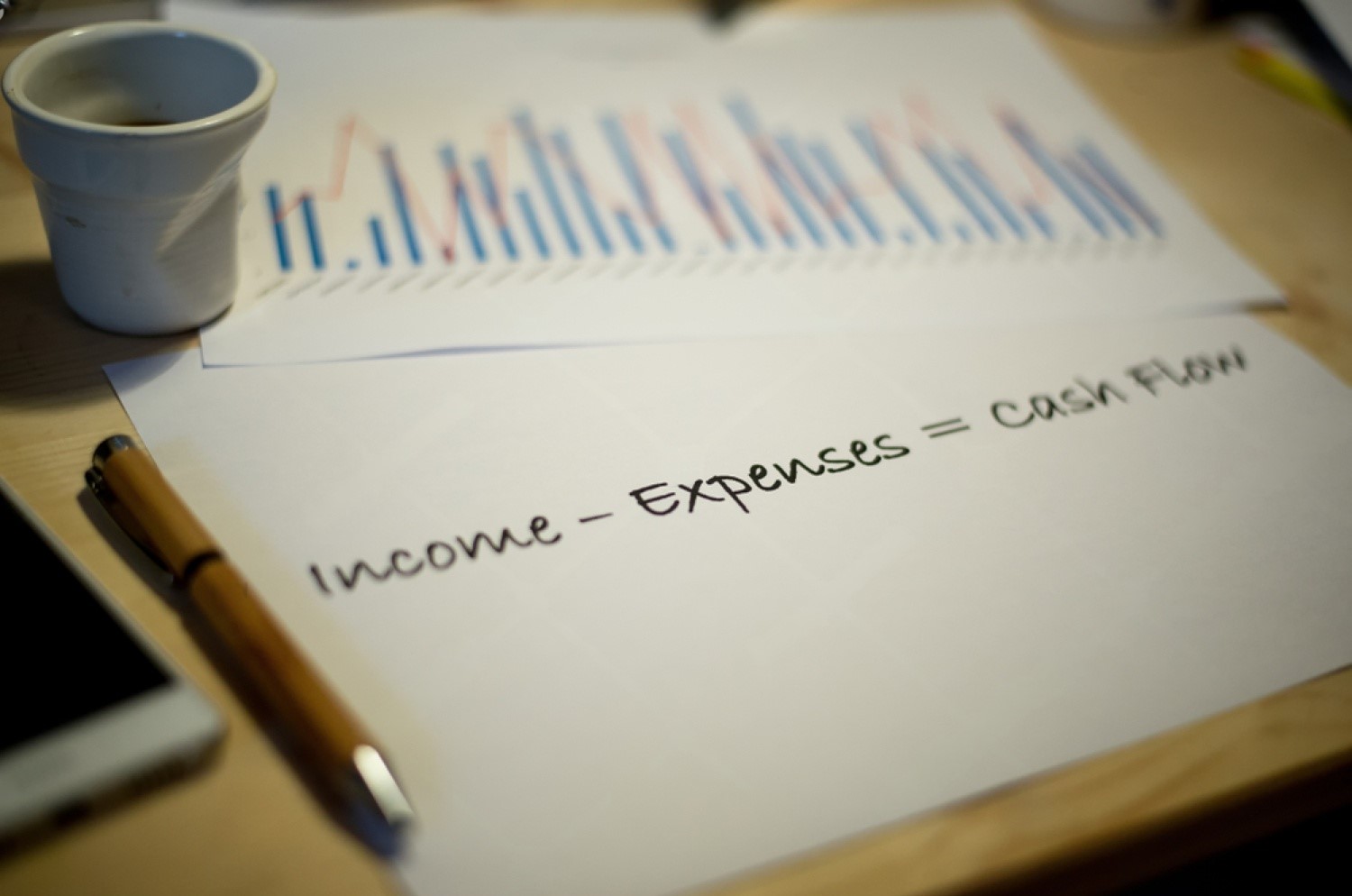
Most people begin their personal finance journey in the wrong place. They are told to “make a budget,” cut expenses, or follow a set of rules. When these efforts fail as they often do people assume they lack discipline. In reality, the problem is simpler and more fundamental: they are trying to control something they do not yet understand. The first real financial skill is not budgeting. It is knowing where your money actually goes.
Why Most People Start Personal Finance in the Wrong Place
Budgeting is often presented as the foundation of personal finance. The logic seems reasonable: decide how much to spend, then stick to it.
But budgeting assumes accurate knowledge of current spending. Most people do not have this knowledge. They budget based on estimates, memory, or intentions rather than data.
When the budget inevitably breaks, frustration sets in. The issue is not lack of effort it is lack of visibility.
What Expense Tracking Actually Means (And What It Doesn’t)
Expense Tracking vs Budgeting
Expense tracking and budgeting serve different purposes.
-
Expense tracking is observation. It answers the question: Where does my money go?
-
Budgeting is control. It answers the question: Where should my money go?
Observation must come before control. Skipping this step leads to unrealistic plans.
What Expense Tracking Is Not
Expense tracking is often misunderstood as:
-
Restriction
-
Forced frugality
-
Financial punishment
In reality, it is neutral. It does not ask you to change behaviour only to observe it.
Why Budgeting Without Tracking Almost Always Fails
Budgets built without real data rely on assumptions. People underestimate discretionary spending, forget irregular expenses, and misjudge timing.
When reality clashes with the plan, the budget feels oppressive or “impossible.” This leads to abandoning the process entirely.
Budgeting fails not because people are bad with money, but because they skipped the diagnostic phase.
The Psychology of Spending and Financial Blindness
Humans are poor at estimating their own behaviour.
Spending is often:
-
Habitual
-
Emotional
-
Context-driven
Small, repeated expenses feel insignificant individually but add up substantially. At the same time, money anxiety causes avoidance—people avoid checking accounts or reviewing statements because it creates discomfort.
Expense tracking breaks this blindness gently by replacing assumptions with facts.
What Actually Happens When You Track Expenses
Visibility Creates Awareness
When expenses are tracked consistently, patterns emerge:
-
Where money leaks
-
Which categories dominate spending
-
How often impulse purchases occur
Spending becomes concrete rather than abstract.
Awareness Changes Behaviour Naturally
Most people reduce unnecessary spending simply by becoming aware of it.
This change happens without rules or restrictions. Awareness introduces friction into impulsive decisions, encouraging more deliberate choices.
Categories That Matter (And Categories That Don’t)
Not all categorization adds value.
Useful categories focus on structure:
-
Fixed vs variable expenses
-
Recurring vs discretionary spending
Overly detailed categories create friction and discourage consistency. Simplicity increases accuracy and sustainability.
Expense Tracking as a Diagnostic Tool
Expense tracking functions like a financial health check.
It reveals:
-
Cash flow leaks
-
Areas of flexibility
-
Lifestyle inflation after income increases
This diagnostic insight is impossible to obtain through intention alone.
How Long You Need to Track Before Making Decisions
Expense tracking should precede decision-making.
Tracking for 30 to 60 days is usually sufficient to identify meaningful patterns. Acting too early often leads to overcorrection.
Patience during this phase produces better long-term outcomes.
How Expense Tracking Leads Naturally to Budgeting
Once spending patterns are clear, budgeting becomes straightforward.
Instead of guessing, individuals allocate based on reality. Budgets become:
-
More realistic
-
Easier to maintain
-
Less emotionally charged
Budgeting shifts from restriction to intentional design.
Common Mistakes People Make When Tracking Expenses
Expense tracking fails when people:
-
Track inconsistently
-
Overcomplicate categories
-
Quit too early
-
Judge themselves instead of observing
The goal is clarity, not perfection.
Practical Ways to Start Tracking Expenses Today
Effective tracking is simple:
-
Choose one method, manual or digital
-
Record expenses consistently
-
Review weekly rather than obsessing daily
Consistency matters more than detail.
Final Thoughts: Awareness Comes Before Control
Personal finance improves in stages. First comes awareness. Then comes control. Then comes optimization. Expense tracking is not optional it is foundational. Without knowing where money goes, all other financial strategies rest on assumptions. The path to financial control begins with visibility.